

Scream 7 is finally in theaters, and for weeks now it has been impossible to scroll through social media or open a film site without seeing people talk about it. In a time when horror is filled with sequels, reboots, and legacy revivals, this one arrives with something heavier on its shoulders. It carries nearly thirty years of history, expectations, and a fanbase that cares deeply about where this story goes next. Released in early 2026 and directed by Kevin Williamson, the writer who started it all back in 1996, this seventh chapter marks the long-awaited return of Sidney Prescott, the heart and soul of the entire series, portrayed with visceral depth and enduring grit by Neve Campbell.
The anticipation surrounding Neve's return was both a triumphant celebration and a moment fraught with industry drama, because Campbell had infamously stepped away from Scream 6 due to salary disputes before ultimately agreeing to come back in a deal that acknowledged her incredible contribution to the franchise. Her presence on screen this time feels less like a stunt and more like the emotional anchor that gives this story its pulse.
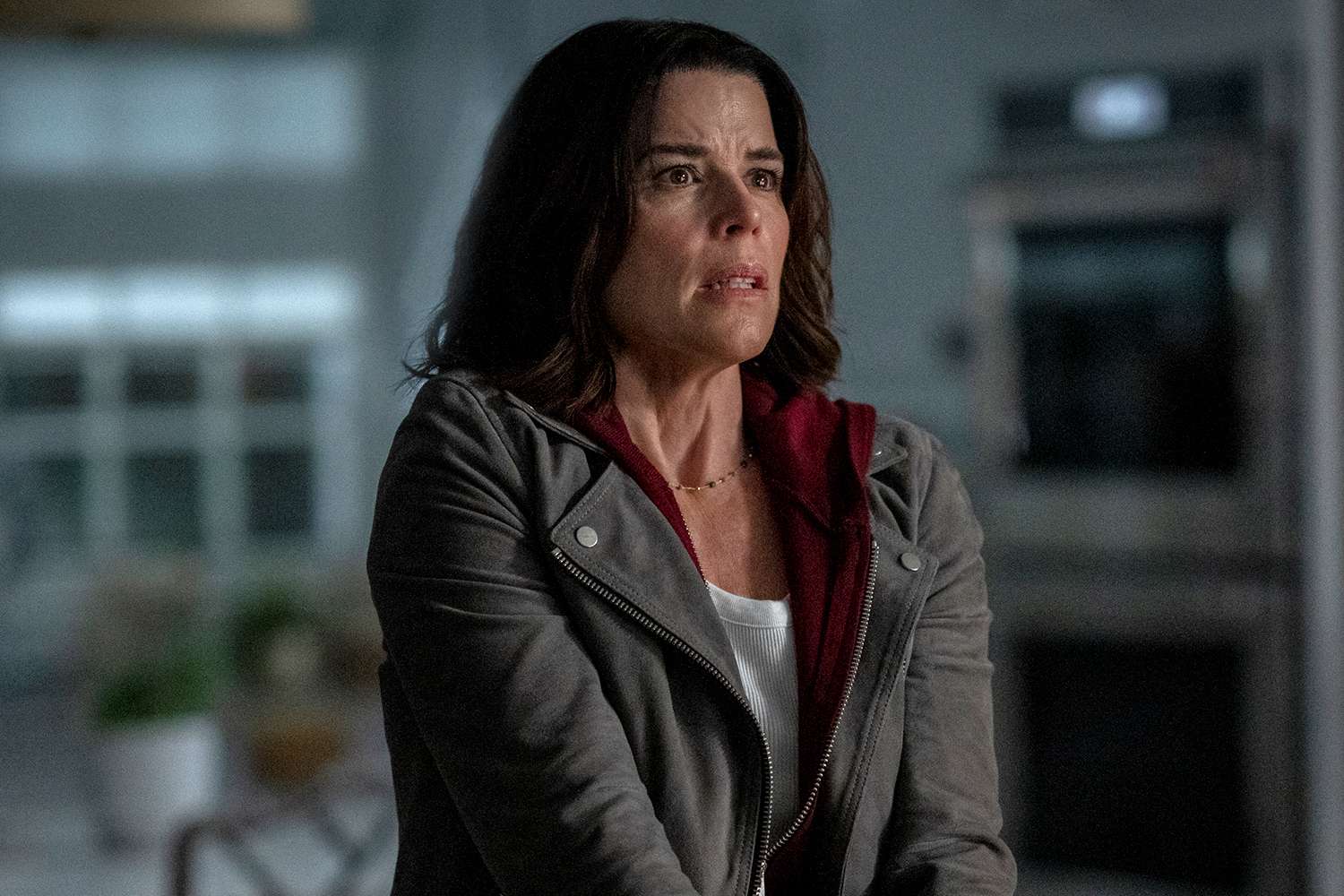
From the first trailer to its performance at the box office, Scream 7 has been a headline maker. The film opened with a franchise record, grossing an impressive number domestically and internationally. Its reported opening weekend in the United States saw it bring in more than sixty million dollars, a franchise best, and an achievement that came despite some of the more mixed critical responses from reviewers who were expecting a closer connection to the self-aware satire that originally made Scream a cultural game changer.
To understand the context of Scream 7, you have to acknowledge how monumental Sidney Prescott’s role has always been. From the very first Scream in 1996, Sidney was way more than a horror protagonist. She was a survivor with layers of trauma, intelligence, courage, healing, and vulnerability that made her a standout final girl long after the genre had abandoned such complexity. Through the years Sidney evolved from a terrified teenager in Woodsboro to an empowered woman trying to reclaim her life from the endless shadow of Ghostface. This journey has been a centerpiece of the franchise’s identity, and her absence in the previous film left a palpable void in the narrative that many fans felt deeply. The return of Sidney, therefore, represents not just nostalgia but the restoration of the emotional core that the series has always circled back to.
The story of Scream 7 picks up with Sidney Prescott living a quiet life far from the horrors that once defined her. Suburban tranquility has taken over her world in a quiet town where she has built a life with her husband Mark Evans, played by Joel McHale, and their daughter Tatum, played by Isabel May. This narrative shift from bustling Woodsboro streets and chaotic meta horrors to a slow-burn suburban setup gives the film a different texture. It is meant to feel like a safe space, a world where Sidney tried desperately to lock away the nightmares of her past lives, only to have that peace shattered with the all-too-familiar arrival of Ghostface.
Even with her years of experience surviving slaughterers, Sidney’s reaction to the resurgence of terror demonstrates just how deeply those old wounds run. She is no longer that raw, emotionally shattered young woman from 1996, but she is also not unscarred. Her strength is tempered by wisdom and fear, and this complexity is one of the aspects that many critics and audiences have praised most. For the first time in a long while, a Scream film feels like it understands that Sidney’s battle against Ghostface was never just about defeating a killer. It was about outliving an idea, a cultural horror that refuses to let her go.
When Ghostface strikes again in Scream 7, the aggression is personal. The killer does not just target a town or some new crop of teens. Ghostface targets Sidney’s home, her daughter, her very sense of safety. There is an intimacy to that terror, a cruelty in how the violence pushes at the edges of Sidney’s worst nightmare: seeing her daughter in the line of fire of a murderer who wears a mask we all recognize instantly. It pulls the emotional stakes higher than they have been in years, reminding us that survival in this franchise has always been about who you love and how far you will go to protect them.
This emotional anchor elevates the film in many ways, but Scream 7 has also become a flashpoint of divided fan reaction due to its handling of Ghostface and the identities behind the mask. In perhaps one of the most debated creative choices of the year, Scream 7 features multiple killers, three in total, operating under the Ghostface identity. That alone is not unprecedented in the franchise, but the motives and execution of these characters struck many fans as underwhelming. Instead of deeply woven personal vendettas or meta commentary, the killers in this installment include individuals with disconnected motivations that, to some viewers, lacked the storytelling cohesion and menace that earlier films pulled off so expertly.
The first Ghostface in the film emerges at Stu Macher’s old house, now a tourist attraction, and begins a gruesome killing spree that ends with the house being burned down. This opening does signal a strong statement by the filmmakers: horror can be unpredictable, and the ghosts of past killers will never truly fade. Turning a place once tied to a legacy figure like Stu into a place of bloodshed again feels like a commentary on how the franchise both honors and disrupts its history.
Some fans complained that these new Ghostface characters felt like random additions instead of villains shaped by their own pathos. On forums and discussion threads, many voices expressed that they would have preferred a more compelling connection between the killers and Sidney, or at least villains with motives that resonated at a deeper psychological level. Even longtime followers of the series pointed out online that the emotional payoff just wasn’t there for all of these new antagonists, and that the familiar tropes of self-aware horror were sometimes overshadowed by a focus on gore and spectacle. That said, there were also voices who saw the gore as a deliberate homage to the slasher roots of the genre, celebrating the film’s willingness to push boundaries and embrace a visceral, shocking style that still entertains when viewed on its own terms.
Despite these criticisms, it must be noted that Scream 7 delivers moments that remind viewers why this franchise has endured for so long. The interplay between returning characters like Sidney, Gale Weathers (played by Courteney Cox), and Chad and Mindy Meeks-Martin provides a continuity that honors decades of history. Even when the plot choices divide opinion, seeing these faces together again on screen carries emotional weight. The laughter that bubbles up in tense moments, the subtle references to past films and franchise jokes, and the way veteran characters respond to terror with a blend of weary cynicism and stubborn bravery all nod to the unique rhythm of Scream storytelling that fans have come to adore.
Furthermore, the film’s marketing leaned into this legacy with trailers that teased a final chapter for Sidney, messages about encountering “one last scream,” and even hints at how every phone call and every mistake from past killers had led up to this moment. But behind the scenes, insiders revealed even bigger plans. Reports suggest Hollywood is already eyeing an eighth film in the saga, signaling that perhaps the end is not as definitive as the promotional materials make it out to be. This makes perfect sense when you consider how deeply the franchise lives in its ability to reinvent, to circle back, to poke at its own mythology. Even a “final” story can generate another chapter when there is more fear to explore.
Fans online have been vocal, some praising the movie for embracing classic slasher violence and pointing out clever callbacks that will make longtime watchers smile with recognition. Others have said the Ghostface identities in this film lack a sense of menacing individuality, and that the twists are undercut by an eagerness to shock rather than build suspense. There are threads shaming the use of AI-generated likenesses of past killers like Stu Macher and others, suggesting that while the idea had potential, its execution did not radiate the intelligence or emotional impact fans expected. Yet some defenders argue that this creative choice is a brave nod to how the world now interacts with icons and horror legends, using digital resurrection as a metaphor for how stories never truly die once shared in the public imagination.
But no matter how divided opinions are, Scream 7 is living up to a core aspect of the franchise it belongs to: it gets people talking. It gets people debating. It gets people invested in both its successes and missteps. That kind of passion has been a hallmark of Scream ever since it first challenged horror expectations in the 1990s and asked audiences not just to sit back and scream, but to think about why they were screaming in the first place.
Perhaps the most lasting mark of the movie will be how it reasserted Sidney Prescott as the single most important character in this universe. When films in series lose their central anchor, they risk drifting into shallow spectacle, but this movie brings her back and gives her agency, weight, and emotional depth. Watching her fight, not just for her own survival but for her daughter and her family, adds a layer of meaning that pure gore and jump scares simply cannot replicate. That choice, more than any plot twist or special effect, may be the reason why audiences, even if divided, feel invested enough to want to see what comes next in this legendary franchise.
Scream 7 is a strong new chapter in a saga that has always thrived on reinvention and reflection. It delivers thrilling set pieces, it brings beloved characters back into the spotlight, and it prompts conversations that stretch beyond the theater seats. Yes, some fans will debate its choices and lament its creative direction, but that, in itself, proves that this franchise still matters. It still evokes strong feelings, it still shocks and it still entertains. Most importantly, it reminds us that legacy characters like Sidney Prescott are enduring not because they never face horror again, but because they survive it in ways that reflect both real fear and real humanity.

0 Comments