
The group stage of the 2026 FIFA World Cup has officially come to an end and, after nearly two weeks of relentless football across the United States, Canada and Mexico, the tournament has already delivered unforgettable moments, dramatic qualification races, emotional farewells and several unexpected eliminations. The first World Cup featuring 48 nations and a new format has transformed the early phase of the competition into one of the most unpredictable and entertaining group stages in the history of the tournament.
For the first time ever, 48 teams were divided into 12 groups of four. The top two nations from each group advanced automatically to the Round of 32, while the eight best third placed teams also secured passage to the knockout rounds. Although the expanded format meant that only 16 teams would be eliminated after the group stage, the final days of action still produced enormous tension as several traditional powers fought desperately to remain alive. In the end, a number of established football nations failed to survive, while several emerging countries seized the opportunity to make history.
As the knockout phase begins, it is worth looking back at everything that defined the group stage, from the biggest performances and breakout stars to the teams whose World Cup dreams came to an abrupt end.
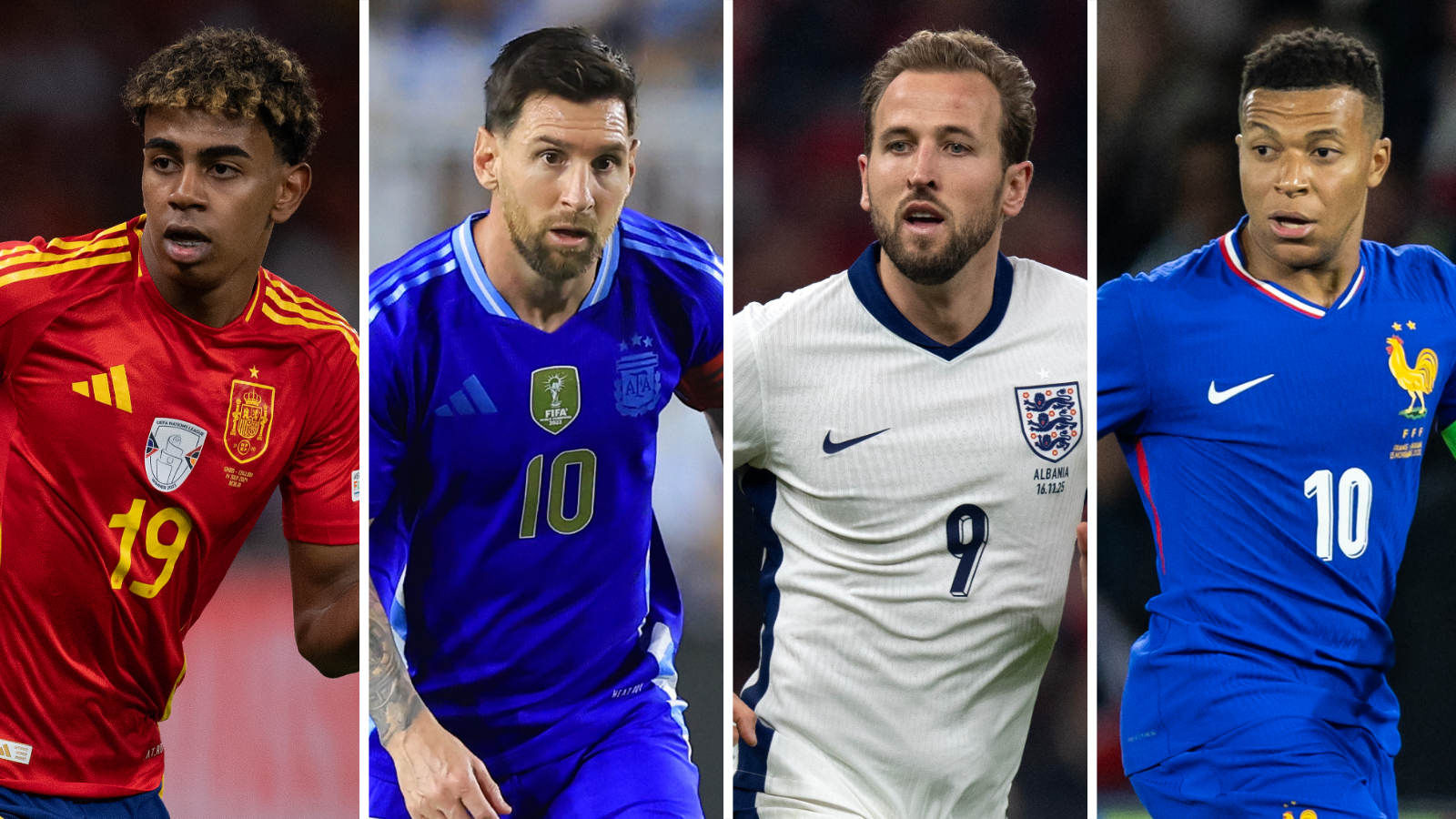
Many critics questioned whether the quality of play would decline because of the expansion. Instead, the group stage largely demonstrated the opposite. While several debutants struggled against elite opposition, many emerging nations proved fully capable of competing on the biggest stage. The larger field created more stories, more passionate fan bases and more opportunities for surprise results.
The new format also generated intense drama surrounding the ranking of third placed teams. Since only eight of the twelve third placed sides could progress, every goal scored during the final round of matches had the potential to determine qualification or elimination. Several teams remained uncertain of their fate until the final whistle of the final group matches.
Argentina once again showcased its experience and attacking quality. The reigning world champions approached the tournament with enormous expectations and responded by producing a flawless group campaign, winning all three matches and demonstrating the balance that made them champions four years earlier. Lionel Messi continued to play a decisive role despite entering what many expect to be his final World Cup appearance. Argentina’s perfect record reinforced the belief that they remain one of the favorites to lift the trophy once again. Reports from multiple outlets identified Argentina as one of only three nations to win every group stage match.
France also finished the group stage with maximum points. Didier Deschamps’ side combined defensive solidity with explosive attacking play, further strengthening its credentials as a leading contender. Kylian Mbappé continued his impressive World Cup legacy by adding to his already remarkable scoring record and once again emerged as one of the tournament’s most dangerous players.
Mexico, playing as one of the host nations, enjoyed a memorable opening phase. El Tri not only benefited from passionate home support but also became one of the earliest teams to secure qualification for the Round of 32. Their performances energized local supporters and demonstrated that the co hosts intend to make a deep run in the competition.
Brazil, meanwhile, overcame a few early concerns and advanced comfortably. The Seleção produced several dominant displays and showcased the attacking depth that has made them perennial favorites. A convincing victory against Haiti highlighted Brazil’s offensive potential and ensured a smooth passage into the knockout rounds.
England, Germany, Spain, Portugal and the Netherlands also progressed, although some of these sides displayed occasional vulnerabilities that could become significant concerns as the level of competition increases. Analysts have noted that while these nations advanced, not all did so with complete authority, leaving important questions unanswered ahead of the Round of 32.
One of the defining stories of the 2026 World Cup group stage has undoubtedly been the extraordinary success of African nations.
Nine of Africa’s ten representatives successfully reached the knockout rounds, an unprecedented achievement for the continent. Only Tunisia failed to advance, meaning that countries such as Morocco, Algeria, Egypt, Senegal, South Africa, Ghana, Ivory Coast, Cabo Verde and DR Congo all continued their campaigns into the Round of 32. This historic performance represents the strongest collective World Cup showing by African teams in history.
Perhaps the most remarkable African story came from Cabo Verde. The island nation emerged as one of the tournament’s great surprises, advancing to the knockout rounds and capturing the imagination of neutral supporters around the world. Their historic qualification came at the expense of more established football powers and highlighted the increasingly competitive nature of international football.
Algeria also secured qualification in dramatic circumstances. A thrilling draw against Austria ultimately proved sufficient to send both nations through while simultaneously ending Iran’s hopes of progressing as one of the best third placed teams.
As co hosts, the United States, Mexico and Canada entered the tournament carrying enormous expectations.
Mexico delivered one of the strongest performances among the hosts, winning its opening matches and quickly booking a place in the knockout rounds. Their energetic displays ignited enthusiasm across the country and raised hopes that they could make a significant impact on home soil.
The United States also advanced after strong early victories against Paraguay and Australia. Under Mauricio Pochettino, the Americans displayed organization and intensity, finishing top of their group despite a defeat in their final match after rotating much of the squad. The successful group campaign has fueled optimism among supporters hoping for the nation’s deepest World Cup run in generations.
Canada likewise managed to reach the knockout stage, ensuring that all three host nations survived the opening phase. The Canadians now hope to capitalize on home support as the pressure intensifies.
Every World Cup produces heartbreak, and the 2026 edition has been no exception.
Uruguay’s elimination stands out as perhaps the most shocking result of the entire group stage. The two time world champions entered the tournament with high expectations but failed to secure enough points to continue. For a nation with such a rich footballing tradition, the early exit represents a major disappointment and will undoubtedly trigger significant reflection about the future direction of the national team.
South Korea also suffered a painful elimination. Traditionally one of Asia’s strongest representatives, the Koreans were unable to secure one of the coveted third place qualification spots despite remaining mathematically alive until the final days of group stage action. Their exit has already generated intense debate among supporters and analysts regarding the team’s long term development.
Iran endured a similarly heartbreaking conclusion. The Asian side remained in contention until the final group matches elsewhere ultimately determined that they would miss out on qualification. Their elimination highlighted the cruel nature of the expanded format’s third place ranking system, where events in entirely different groups can determine a team’s fate.
Scotland’s campaign also ended in disappointment. After qualifying for the tournament with considerable optimism, the Scots failed to collect enough points to finish among the best third placed nations. Their elimination extended a frustrating record of unsuccessful attempts to reach the knockout stages of major international tournaments.
One of the most fascinating aspects of the new format has been the battle among third placed teams.
Because only eight of the twelve third placed nations could progress, every goal mattered. Teams were forced not only to monitor their own matches but also to pay close attention to results unfolding simultaneously across the continent.
Iran, South Korea and several other nations spent hours waiting to discover whether results elsewhere would allow them to advance. Ultimately, some teams celebrated qualification while others experienced crushing disappointment without even stepping onto the pitch on the tournament’s final group stage day.
The format has divided opinion among supporters. Some fans appreciate the added drama, while others argue that allowing two thirds of participating nations to advance reduces the significance of the group stage itself. Nevertheless, there is little doubt that the system created extraordinary suspense throughout the final days of competition.
With the conclusion of all group matches, the following 16 nations were eliminated from the tournament:
CONCACAF
- Haiti
- Panama
- Curaçao
CONMEBOL
- Uruguay
UEFA
- Türkiye
- Scotland
- Czechia
CAF
- Tunisia
AFC
- Iran
- South Korea
- Saudi Arabia
- Qatar
- Uzbekistan
- Iraq
- Jordan
OFC
- New Zealand
With the group stage now complete, attention turns to the Round of 32.
The knockout phase promises a series of fascinating encounters involving traditional heavyweights, ambitious outsiders and surprise packages. High profile fixtures featuring Brazil, Germany, France, Spain, Argentina and England ensure that supporters can expect spectacular football in the coming days. Several reports have already highlighted enticing matchups such as Brazil against Japan, Germany facing Paraguay and Spain taking on Austria.
The expanded World Cup has already produced memorable stories before a single knockout match has been played. Historic African success, shocking eliminations, dramatic qualification scenarios and exceptional individual performances have combined to create one of the most captivating group stages in recent memory.
Now, with only 32 nations remaining, the race to become world champion enters its most unforgiving phase. The margins for error have disappeared, every match becomes a final and the dream of lifting the FIFA World Cup trophy remains alive for just a select few.



Leave a Reply