
The international cinematic landscape of the middle decade underwent a seismic shift that few traditional studio executives could have predicted when a micro-budget psychological horror film quietly premiered at an autumn film festival before proceeding to demolish multi-decade box office records. Directed, written, and edited by twenty-six-year-old filmmaker Curry Barker, Obsession arrived in theaters with minimal mainstream studio fanfare, carrying a modest production budget of approximately seven hundred and fifty thousand dollars. What transpired over the subsequent months proved to be an unprecedented commercial and critical phenomenon as international ticket sales swept past four hundred million dollars, eventually climbing beyond four hundred and fifty million dollars globally. This astonishing financial trajectory positioned the narrative feature as the most profitable motion picture in cinematic history when measured against its initial net production costs, officially surpassing long-standing box office benchmarks previously established by historical indies such as The Blair Witch Project and Bruce Lee’s legendary release Enter the Dragon.
The monumental achievement of Obsession extends far beyond its raw statistical triumphs, representing a vital inflection point in how global audiences discover, digest, and champion independent cinema. In an era where legacy studios frequently rely on inflated production budgets upward of two hundred million dollars alongside massive corporate marketing campaigns to guarantee opening weekend interest, Barker constructed a tightly wound psychological nightmare that relied entirely on foundational storytelling principles, terrifyingly grounded performances, and organic word-of-mouth enthusiasm. Audiences spilled out of crowded multiplexes into digital forums and social media platforms to dissect the intricate psychological decay depicted on screen, creating an escalating feedback loop of public curiosity that kept theatrical attendance growing week after week. The film demonstrated a rare box office pattern where second-weekend revenues actually surged by thirty-nine percent compared to its opening numbers, an event almost completely unheard of within the modern horror genre.
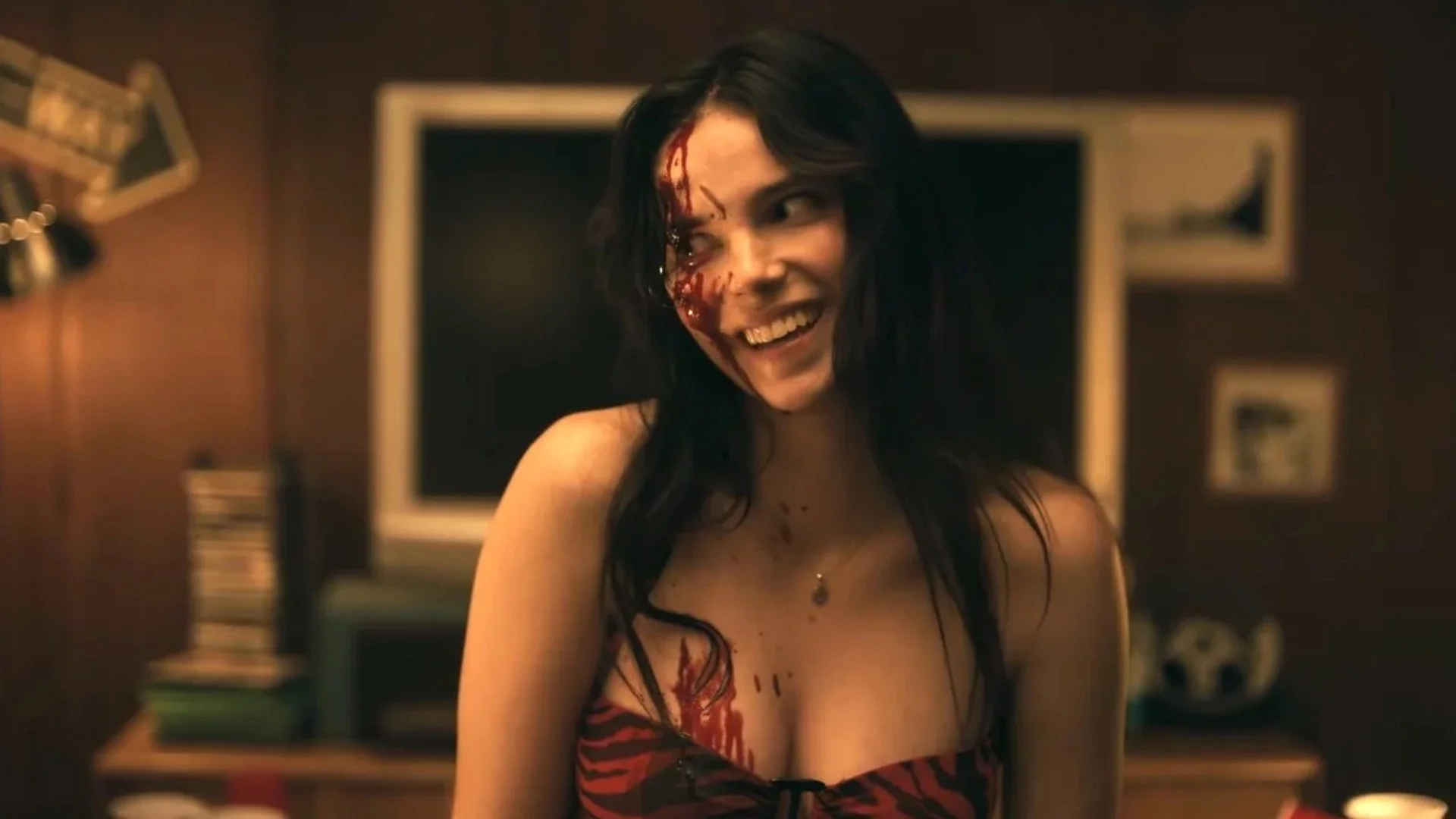
To fully comprehend how this modest independent project evolved into a worldwide cultural milestone, one must examine the intersection of digital creator culture, classical cinematic influences, masterful screenwriting economy, and a deep understanding of modern psychological anxieties. The narrative explores the perilous boundaries of romantic fixations, domestic isolation, personal insecurity, and the illusion of emotional control. Rather than delivering traditional jump scares or relying heavily on computer generated visual effects, Barker constructed a harrowing portrait of possessive desire that resonates directly with young adult audiences navigating the complicated realities of modern dating culture and personal boundaries. The result is a film that functions simultaneously as a visceral midnight thriller and a lingering moral parable regarding the catastrophic weight of forcing affection without genuine human consent.
The conceptual origin of Obsession traces back to a casual social gathering in mid-2023 when Barker was watching a television rerun of The Simpsons season three episode Treehouse of Horror II. The animated anthology featured a segment centered on a classic monkey’s paw motif, where wishes granted by an ominous artifact yield unforeseen and horrific real-world consequences. Barker became fascinated by the psychological mechanics of combining a supernatural wish-fulfillment device with a grounded, contemporary story about unrequited romantic longing. He envisioned a narrative structure where an insecure young man uses a mystical object to bypass the emotional vulnerability required in natural dating, only to discover that forcing another human being to feel love twists their psychological state into a terrifying, possessive nightmare.
Producer James Harris of Tea Shop Productions, who had been deeply impressed by The Chair, initially approached Barker to adapt his short film into a feature-length project. Barker seized the opportunity to pitch Obsession instead, presenting Harris with a complete screenplay, a concise narrative pitch deck, and a visually evocative look-book that outlined the aesthetic tone of the film. The strength of the screenplay attracted financial backing from Capstone Studios founder Christian Mercuri, securing a modest production budget of seven hundred and fifty thousand dollars alongside a representation deal with William Morris Endeavor. Demonstrating extraordinary creative conviction early in the process, Barker famously rejected a lucrative two-million-dollar rewriting offer from external financiers who wanted to alter the script to make the protagonist more traditional and heroic, choosing instead to protect the darker moral integrity of his original story.
Principal photography for Obsession took place over twenty intensive days in Los Angeles during October 2024. Operating with a lean production crew brought together with the assistance of producer Haley Nicole Johnson, Barker utilized practical lighting, limited physical locations, and extended takes to build an immersive atmosphere of domestic claustrophobia. Influenced by screenwriting principles that emphasize character-driven conflict over complex mythology explanations, Barker deliberately refrained from over-explaining the magical lore behind the magical artifact featured in the film. He worked alongside his mother to design the visual appearance of the central prop, creating a subtle, novelty-style item that appeared deceptively harmless. By focusing his financial resources primarily on securing talented actors, paying experienced crew members, and capturing high-grade sound design, Barker ensured that the technical quality of Obsession matched the high standards expected of major theatrical releases.
Plot Breakdown: The One Wish Willow and Coerced Affection
The narrative of Obsession centers on Baron “Bear” Bailey, played with remarkable subtlety by Michael Johnston, a deeply insecure and socially passive young man who works at a neighborhood music store alongside a close-knit group of friends. Bear harbors an intense, unexpressed romantic obsession for his co-worker Nikki Freeman, portrayed by Inde Navarrette, whose magnetic personality and natural charm make her the emotional centerpiece of their social circle. Despite frequent interactions and subtle opportunities to express his genuine feelings, Bear remains frozen by a profound fear of rejection, choosing instead to harbor quiet resentment over his perceived inability to win her affection. His psychological instability is established early in the story when his domestic life begins to crumble, symbolic of his broader inability to manage personal responsibility or emotional distress.
Following a tragic domestic incident involving his pet, Bear visits an eclectic local novelty and crystal shop where he acquires an obscure object known as the One Wish Willow, a small, unassuming artifact rumored to grant a single wish to whoever breaks its fragile wooden structure. Later that evening, after a social gathering during which Nikki gently prompts him about his feelings and he nervously denies having romantic interest in her, Bear breaks the artifact in a moment of desperate frustration, wishing that Nikki would fall madly in love with him. The initial results appear to fulfill his deepest fantasies, as Nikki suddenly begins pursuing him with intense devotion, initiating physical intimacy and declaring unwavering emotional attachment. Bear eagerly embraces this sudden romantic transformation, ignoring glaring warning signs and choosing to indulge his own desires rather than questioning the unnatural suddenness of her change of heart.
The dream quickly devolves into a waking nightmare as the supernatural influence of the wish reshapes Nikki’s consciousness into an aggressive, unhinged fixation. When mutual friends Ian and Sarah express concern over Nikki’s erratic behavior, uncovering long-standing personal lies and prior relationship dynamics that Bear chose to ignore, Nikki views any external disruption to her bond with Bear as an existential threat. Her affection manifests as extreme jealousy and psychotic protection, escalating into horrifying acts of violence. In a pivotal sequence that shocked theatrical audiences, Nikki brutally attacks Sarah in broad daylight to prevent her from revealing uncomfortable truths to Bear, showcasing a terrifying complete detachment from her former moral character. As the body count rises and Bear realizes the horrifying scope of what he has unleashed, the film builds toward a devastating climax that reinforces the complete destruction of everyone involved in the toxic web of supernatural coercion.
Unforgettable Lead Performances: Michael Johnston and Inde Navarrette
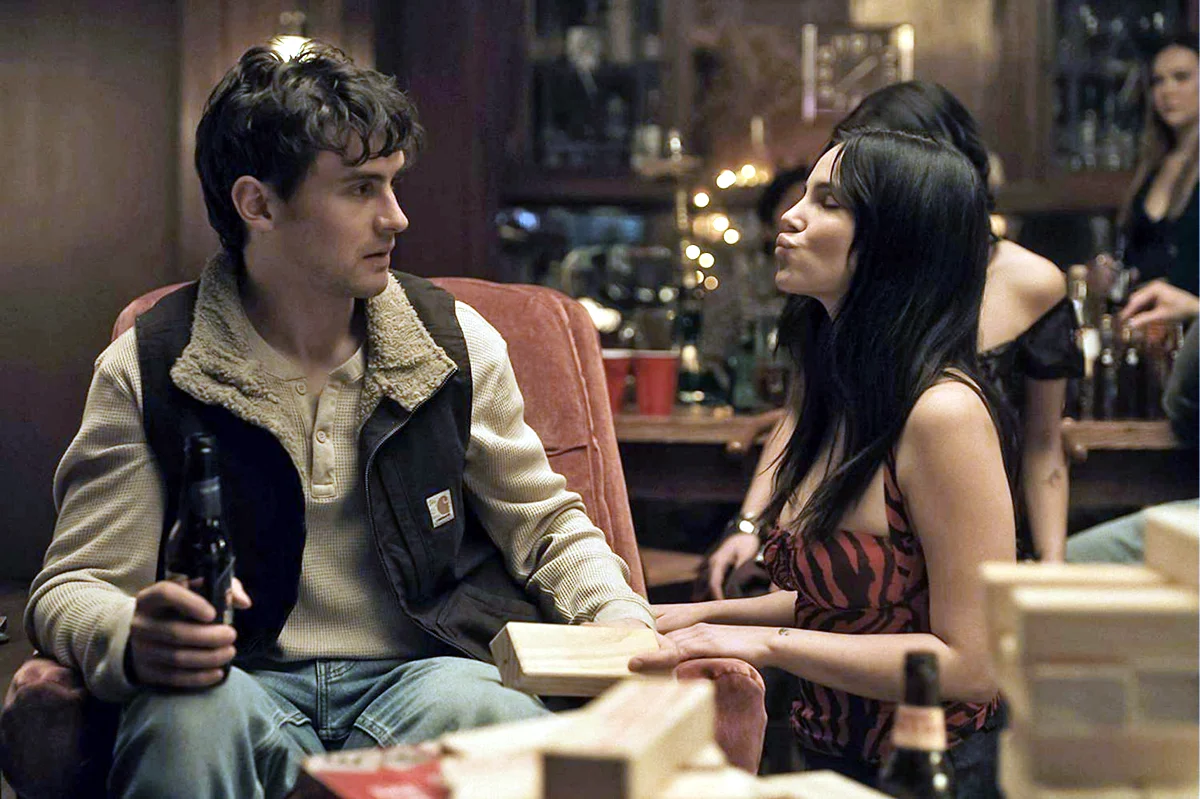
The astounding critical and commercial resonance of Obsession relies heavily on the extraordinary lead performances delivered by Michael Johnston and Inde Navarrette, whose dynamic screen chemistry anchors the film’s complex emotional landscape. Johnston brings an exceptional level of vulnerability and quiet creepiness to the role of Bear, capturing the delicate line between a sympathetic, lonely young man and a self-absorbed individual willing to compromise another person’s autonomy for his own gratification. Through subtle physical mannerisms, hesitant vocal delivery, and expressive facial reactions, Johnston communicates Bear’s internal rationalizations, allowing the audience to witness his transition from passive yearning to horrifying complicity as he attempts to maintain the illusion of a ideal romance despite the mounting horror surrounding them.
Inde Navarrette delivers a tour-de-force performance as Nikki Freeman, executing a demanding physical and psychological role that critics have widely praised as one of the standout acting achievements in modern genre cinema. Navarrette navigates the immense challenge of playing a dual-layered character whose outward physical actions express fanatic romantic devotion while her true, unconsenting self remains imprisoned beneath the magical spell. Her ability to pivot instantly from warm, hyper-attentive affection to cold, unblinking intensity creates an atmosphere of constant tension throughout the second half of the film. Navarrette uses erratic body language, unnatural eye contact, and subtle vocal shifts to signal to the audience that Nikki is operating under an agonizing psychological force that she cannot physically resist.
One of the most memorable and haunting sequences in the entire film occurs during a quiet nighttime scene where Nikki, while fast asleep beside Bear, begins sleep-talking in a soft, trembling whisper. In this brief moment of unconscious honesty, her buried mind speaks through the spell, whispering the heartbreaking line that she has never actually loved him and desires to be free. The sequence, highlighted in endless online discussions, encapsulates the tragedy of the film as Bear’s face drops in horror upon realizing that the passionate woman beside him is essentially a conscious captive. Supporting cast members Cooper Tomlinson and Megan Lawless provide vital grounding as Bear and Nikki’s concerned co-workers, while veteran actor Andy Richter delivers a surprising, nuanced supporting appearance that adds extra texture to the surrounding world.
The Toronto Bidding War and Focus Features Distribution Strategy
The commercial trajectory of Obsession underwent a dramatic acceleration following its world premiere at the Toronto International Film Festival on September 5, 2025. Screened as part of the festival’s prestigious midnight programming, the film immediately ignited an intense reaction among critics, festival attendees, and industry acquisitions executives. Within hours of its initial screening, word of the film’s terrifying narrative twists, stellar lead performances, and crowd-pleasing theatrical pacing spread rapidly across the festival circuit, triggering an intense multi-studio bidding war for global distribution rights. Major legacy studios and prominent streaming platforms competed aggressively to acquire the project, recognizing its rare crossover potential between art-house psychological drama and mainstream multiplex horror.
Focus Features, the specialty film division of Universal Pictures, ultimately emerged victorious in the competitive acquisition battle, securing global distribution rights for an astounding fifteen million dollars. This acquisition price represented twenty times the film’s original production budget, establishing a record for one of the largest financial markups for a festival pickup in recent cinema history. Focus Features recognized that Obsession possessed a unique cultural energy capable of appealing directly to Gen Z and millennial moviegoers who had previously demonstrated a massive appetite for original horror cinema. Rather than relegating the film to an immediate digital streaming release, Focus Features committed to a robust wide theatrical rollout, crafting a marketing strategy that emphasized mystery, audience reactions, and non-spoiler teasers.
The decision to grant Obsession an exclusive theatrical window beginning on May 15, 2026, proved to be an absolute masterstroke of theatrical distribution strategy. By positioning the low-budget thriller alongside massive summer blockbusters, the studio offered moviegoers a stark, high-intensity alternative to franchise sequels and superhero spectacles. Focus Features cultivated organic online engagement by encouraging early preview audiences to share their stunned reactions without giving away key plot turns, allowing digital excitement to build naturally across video platforms and discussion groups. This calculated distribution approach ensured that when the film finally hit wide theatrical release, multiplexes across North America and international territories were greeted with packed auditoriums and eager audiences ready for a shared theatrical experience.
Historic Box Office Performance: Defying Modern Cinema Logic
When Obsession opened in theaters during May 2026, industry analysts initially projected a respectable opening weekend gross in the ten to fifteen million dollar range, considered a solid financial return for a micro-budget acquisition. The film completely shattered those modest expectations by pulling in seventeen point nineteen million dollars across its opening three-day frame, driven by enthusiastic preview crowds and high exit survey scores. What transpired during its second week of wide release, however, caught the entire cinematic industry off guard. Instead of experiencing the standard fifty to sixty percent box office drop-off typical for theatrical horror films, ticket sales for Obsession surged by thirty-nine percent during its second weekend, generating a staggering two-weekend domestic total of nearly eighty million dollars.
This remarkable box office expansion was fueled almost entirely by an overwhelming wave of organic word-of-mouth recommendations across global social media networks. Viewers returned to theaters multiple times with groups of friends to re-watch pivotal scenes, analyze subtle background clues, and witness the terrifying third-act progression with fresh audiences. The film demonstrated extraordinary box office legs throughout June and July 2026, consistently holding drops below thirty percent weekend after weekend while maintaining a presence in nearly three thousand theaters nationwide. Internationally, Obsession performed with equal vigor, conquering key theatrical markets across Europe, Latin America, and Asia, eventually pushing its worldwide box office accumulation past the milestone four hundred and fifty million dollar mark.
The astounding commercial longevity of Obsession allowed it to break several historical box office records that had stood for decades. By surpassing four hundred million dollars globally on a budget under one million dollars, Barker’s feature officially became the highest-grossing film in cinema history relative to its production costs, surpassing Bruce Lee’s 1973 martial arts classic Enter the Dragon and the 1999 found-footage phenomenon The Blair Witch Project. Furthermore, the film broke a twenty-two-year festival acquisition record previously held by Michael Moore’s Fahrenheit 9/11, becoming the highest-grossing motion picture ever purchased at a film festival. The financial success carried over seamlessly into physical media, where the Collector’s Edition 4K UHD Blu-ray release rocketed to the number one spot on national sales charts upon its release in July 2026, outperforming major studio blockbusters.
Philosophical and Thematic Analysis: Consent, Autonomy, and Possessive Desire
Beneath its thriller narrative and unsettling horror beats, Obsession functions as a sophisticated, deeply dark examination of consent, personal entitlement, and the destructive nature of possessive desire. The core philosophical horror of the film stems from the absolute violation of Nikki’s autonomy. When Bear activates the One Wish Willow to force her affection, he effectively strips away her agency, reducing a complex, independent human being into a living instrument designed solely to satisfy his personal emotional voids. The narrative forcefully illustrates that affection obtained through coercion or magic is inherently abusive, demonstrating how true love cannot exist in the absence of complete freedom and mutual vulnerability.
The film offers a sharp critique of modern entitlement within dating culture, exposing how personal insecurity can easily curdle into possessiveness when individuals prioritize their own emotional desires over the autonomy of others. Bear repeatedly rationalizes his actions, convincing himself that he is providing Nikki with love and protection while systematically ignoring the horrifying reality that her true consciousness is suffering in silence. Through the lens of classical philosophy, Bear treats Nikki merely as a means to an end rather than an end in herself, committing a fundamental moral failure that inevitably leads to total psychological ruin for everyone in his orbit. The escalating violence committed by the obsessed Nikki reflects the logical extremity of possessive relationships where jealousy and control replace genuine respect.
Furthermore, Obsession mirrors contemporary anxieties surrounding digital surveillance, social media curation, and parasocial fixation. In an era where individuals can easily observe, idealize, and fixate upon others from a distance through digital platforms, the boundaries between affection, idealization, and control often become blurred. Barker taps directly into this modern psychological condition, demonstrating how the impulse to manufacture or force a relationship ultimately destroys the very essence of human connection. By refusing to offer a neat Hollywood resolution or a traditional happy ending, the film leaves audiences with a haunting lingering message regarding the vital necessity of respecting human freedom, ensuring that its ethical questions spark intense debate long after the screen fades to black.
Industry Impact and the New Era of Independent Horror
The overwhelming global triumph of Obsession has sent shockwaves through the global film industry, signaling a dramatic shift in how Hollywood evaluates creative talent and greenlights projects. Coming alongside other major independent success stories of 2026, such as Kane Parsons’ Backrooms, the explosive box office performance of Barker’s feature highlights a growing movement where young digital creators are stepping into mainstream cinema and instantly outperforming traditional studio productions. Legendary filmmakers including Oscar-winning writer-director Christopher Nolan publicly commended this new wave of creator-led horror, praising its capacity to revitalize theatrical attendance and re-energize the future of global cinema.
The success of Obsession has completely altered the career trajectory of twenty-six-year-old Curry Barker, catapulting him into the top tier of international filmmakers. Following the worldwide theatrical run, Barker secured high-profile future directing commitments, including taking the helm of a new entry in The Texas Chain Saw Massacre franchise alongside starring in his second upcoming original feature titled Anything But Ghosts. His rise demonstrates to aspiring filmmakers across the world that high technical proficiency, sharp editing instincts, and compelling narrative concepts remain vastly more important than inflated production budgets or corporate studio backing.
Ultimately, Obsession stands as a monumental landmark in modern cinematic history, proving that a micro-budget horror film rooted in psychological truth, incredible lead acting, and meticulous craftsmanship can captivate global audiences and shatter multi-decade box office records. By taking a simple, terrifying concept regarding the dangers of forced affection and executing it with relentless artistic vision, Curry Barker created a modern horror classic that has forever redefined the possibilities of independent filmmaking. As the film continues to exert its massive influence over cinema culture, it remains a triumphant testament to the enduring power of original storytelling and the limitless potential of the next generation of visual auteurs.



Leave a Reply