
Lionel Messi, the Argentine football icon widely regarded as one of the greatest players in the sport’s history, recently gave a rare and candid interview to Luzu TV, an Argentine streaming channel that has rapidly grown in influence and viewership. Broadcast in early January 2026, the interview offered fans an intimate glimpse into Messi’s thoughts on his football legacy, personal life, personality, post-playing plans, and inner world.
Messi rarely opens up in long-form media beyond formal press conferences and team obligations. He has always projected a humble demeanor, letting his performances on the pitch speak louder than his words off it.
But in this extended Luzu TV session, Messi spoke with a conversational ease that fans have not often seen. Transcending standard sports journalism, this interview blended professional reflection, personal insight, humor, and emotional transparency. It was less scripted and more exploratory, revealing layers of Messi’s psyche, life philosophy, and life beyond football.
For football historians, fans, and sports culture commentators, this interview will be studied as one of Messi’s more revealing media moments in recent years.
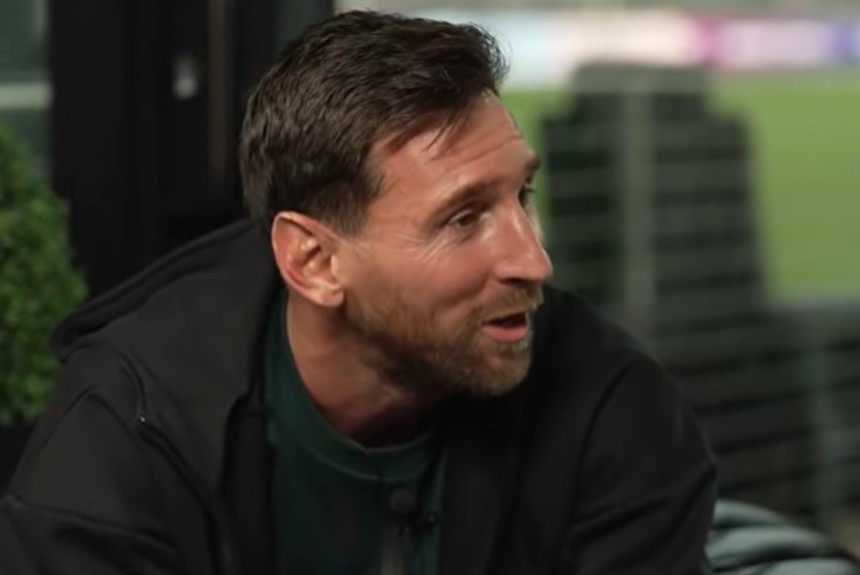
Messi on His Family: Love, Chaos, and Solitude
One of the most striking aspects of the interview was Messi’s candid discussion about his home life. Despite decades in the media spotlight, he rarely speaks in depth about his family dynamic.
Messi shared that, despite being at the pinnacle of global fame, his dominant personal preference is solitude. He said with a self-effacing laugh that he can be “weirder than shit” and enjoys being alone, especially when the daily chaos of life with three young children becomes overwhelming.
He explained that he values quiet and routine highly, and that unexpected disruptions can upset him. His structured personality and need for mental space are traits that may seem unusual for someone constantly in the public eye, yet Messi’s honesty about these characteristics revealed a depth of self-understanding fans rarely witness.
Even more fascinating was how he described family life with his wife, Antonela Roccuzzo. In the interview, Messi shared rare details about their long-standing relationship, from childhood romance to married life raising a family. He spoke of Antonela with warmth and respect, acknowledging how their bond has shaped him both personally and professionally.
His reflections on marriage, fatherhood, and partner support humanize a figure often mythologized for his trophies and statistics. Messi’s confession that small moments of affection and quiet companionship were more meaningful than grand public gestures resonated with many fans around the world.
He admitted that he sometimes struggles with social interactions and prefers structured environments. Messi said he finds comfort in routine and explained that when his carefully planned day is interrupted, it affects him more than people might expect. This revelation surprised many viewers, not because the traits are unusual, but because a public figure of his stature rarely articulates such self-awareness in so straightforward a manner.
He also laughed about how his sons like to immerse themselves in music—from local Argentine icons like Bizarrap to global hits—revealing a side of his family life that’s ordinary and relatable.
Throughout the interview, Messi’s humility and willingness to share personal vulnerabilities stood out starkly against the polished personas of many modern athletes. Rather than projecting perfection, he offered authenticity. That honesty, matched with his legendary status, made the interview compelling far beyond typical sports media content.
Messi on Technology & AI: Honest and Down-to-Earth
In a surprising moment, Messi admitted that he does not use artificial intelligence tools, including tools like ChatGPT, nor does he engage much with many modern digital platforms. He clarified that it’s not resistance rooted in aversion, but rather a lack of familiarity and a lack of interest in integrating these tools into his daily life.
What makes this revelation noteworthy is not the comment itself, but that Messi—a man whose name is synonymous with records, data, and global digital fandom—acknowledged so candidly that he doesn’t participate in the digital tools that define so much of modern life. His wife, Antonela, he joked, uses AI far more than he does.
This playful but honest admission not only garnered laughs, but also punctuated Messi’s authentic personality in a way few interviews ever have.
Messi’s Football Future: 2026 and Beyond
Although the interview spanned many personal topics, Messi didn’t shy away from discussing football, specifically what the immediate future holds.
At the time of the conversation, Messi was preparing to lead Inter Miami CF into the 2026 MLS season after signing a contract extension that keeps him at the club through 2028. His leadership had already brought historic achievements, including Miami’s first-ever MLS Cup victory in 2025.
Rumors about whether Messi will participate in the 2026 FIFA World Cup have been swirling, but in the Luzu TV interview, his focus remained firmly on playing with joy and contributing to his team’s goals, rather than reinventing his career at this stage.
His comments suggested that, while he may wind down his playing years over the next few seasons, his competitive spirit and passion for football remain as strong as ever.
Post-Retirement Plans: Not Coaching, But Owning
One of the most discussed segments of the Luzu TV interview was Messi’s reflection on life after professional football.
When asked whether he sees himself in coaching, Messi was definitive: he does not see himself pursuing traditional coaching roles. Instead, he expressed a clear desire to own and build a football club from the ground up.
Messi explained that he finds the idea of owning a club more compelling than coaching because it would allow him to create long-term development opportunities for young players. His ambition isn’t just to participate in management, but to cultivate environments where talent can flourish, giving the next generation of athletes chances he knows all too well can be hard to come by.
This ambition aligns with Messi’s recent ventures: he already has involvement in Deportivo LSM, a fourth-division Uruguayan club co-owned with longtime teammate Luis Suárez. The project illustrates Messi’s early steps toward his vision of nurturing young talent and making a meaningful long-term impact on the sport outside of playing.
Another important detail is that his contract with Inter Miami includes a future minority ownership stake, suggesting that Messi’s post-retirement ambitions are not theoretical, they’re being built today.
The “Wine With Sprite” Moment: Messi, Habits, and an Unexpected Viral Confession
One of the most talked-about and unexpectedly viral moments of Lionel Messi’s Luzu TV interview had nothing to do with tactics, trophies, or career plans. Instead, it came from a casual, almost throwaway comment that instantly resonated with fans across Argentina and beyond: Messi revealed that he drinks red wine mixed with Sprite.
The confession surprised many viewers, not because the drink itself is unheard of in Argentina, but because it felt so strikingly ordinary. In a world where elite athletes are often associated with rigid diets, hyper-optimized nutrition plans, and carefully curated public images, Messi casually admitting to drinking wine with soda felt refreshingly human.
In Argentina, the mix of wine and soda known as “vino con gaseosa” is commonly associated with informal gatherings, family barbecues, and everyday social life rather than luxury or exclusivity. By acknowledging that this is how he enjoys his wine, Messi unconsciously placed himself back into a familiar cultural space, one shared with millions of ordinary Argentines.
What made the moment even more powerful was the way Messi spoke about it. There was no attempt to turn it into a joke, no defensive explanation, and no effort to frame it as a rare indulgence. He simply stated it as a fact of his personal taste, reinforcing the idea that, despite global fame and immense wealth, his preferences remain grounded and uncomplicated.
Clips of the comment quickly spread across social media platforms, with fans reacting with humor, affection, and cultural pride. Many Argentines celebrated the moment as proof that Messi remains deeply connected to his roots, while international fans found it endearing that one of the most disciplined athletes in history could be so relaxed about something so trivial.
The wine-and-Sprite confession also subtly reinforced a recurring theme of the interview: Messi’s resistance to over-mythologizing himself. Throughout the conversation, he consistently rejected the idea of presenting a polished or idealized version of who he is. Whether discussing his preference for solitude, his discomfort with sudden changes in routine, or his lack of interest in modern digital tools, Messi remained honest to the point of vulnerability.
In that context, the wine moment was not just a humorous aside. It became symbolic of the entire interview. It showed a man who no longer feels the need to perform an image, explain himself, or meet external expectations. Instead, he simply exists as he is, comfortable enough in his legacy to let small, imperfect, and deeply human details come through.
For many fans, that single comment may have felt more intimate than any discussion of goals or trophies. It reminded them that Lionel Messi, despite being a global icon, still enjoys life in ways that are familiar, cultural, and unmistakably Argentine.
Public & Fan Reaction
The public response to the interview was immediate and intense. Clips from the session, including Messi’s comments about solitude, family, technology, and future aspirations, circulated widely on social media and news platforms within hours of broadcast.
Fans praised Messi’s vulnerability, humor, and honesty, while commentators noted that this interview revealed more of Messi’s inner life than many decades of press conferences combined. For many supporters, the interview felt like a personal connection with a player who has given so much to the sport.
Even outside football circles, the conversation sparked discussions about how elite athletes cope with fame, manage their personal lives, and navigate life transitions—turning a sports interview into commentary on human experience.
Lionel Messi’s Luzu TV interview will be remembered as one of the most personal, revealing, and humanizing media moments of his career. Beyond discussing trophies and stats, Messi spoke openly about family, personality, technology, and his vision for life after football.
In doing so, he reminded fans that behind the historic achievements, ball control, and World Cup glory, stands a person with fears, routines, dreams, and contradictions—just like anyone else.
Whether Messi goes on to own a club, shape a new generation of players, or simply continue to enchant fans on the pitch, this interview offered a rare glimpse of the man behind the legend.



Leave a Reply