
This season marked the first full implementation of the Champions League’s expanded league phase, replacing the traditional group stage that had defined the tournament for decades. Instead of small, isolated groups where familiarity often bred predictability, thirty six teams were placed into a single league table, each club playing eight matches against opponents drawn from different seeding pots. The intention was clear from the beginning: create variety, increase competitive balance, and ensure that every single match mattered, not just for qualification, but for position, seeding, and survival. What unfolded over the course of these eight matchdays was a phase that felt more like a long European campaign compressed into two intense months, where momentum could change overnight and one bad week could undo an entire season’s worth of planning.
From the very first round of matches, it became obvious that this league phase would punish complacency. Clubs that were used to easing into the group stage suddenly found themselves under immediate pressure, while teams traditionally labeled as underdogs discovered that consistency across eight games could keep them alive far longer than in the old format. Every goal mattered. Every away draw had value. Every late concession carried consequences that echoed all the way to the final standings. Unlike previous editions, there was no safety net, no Europa League drop, no second chance beyond what the table itself allowed.
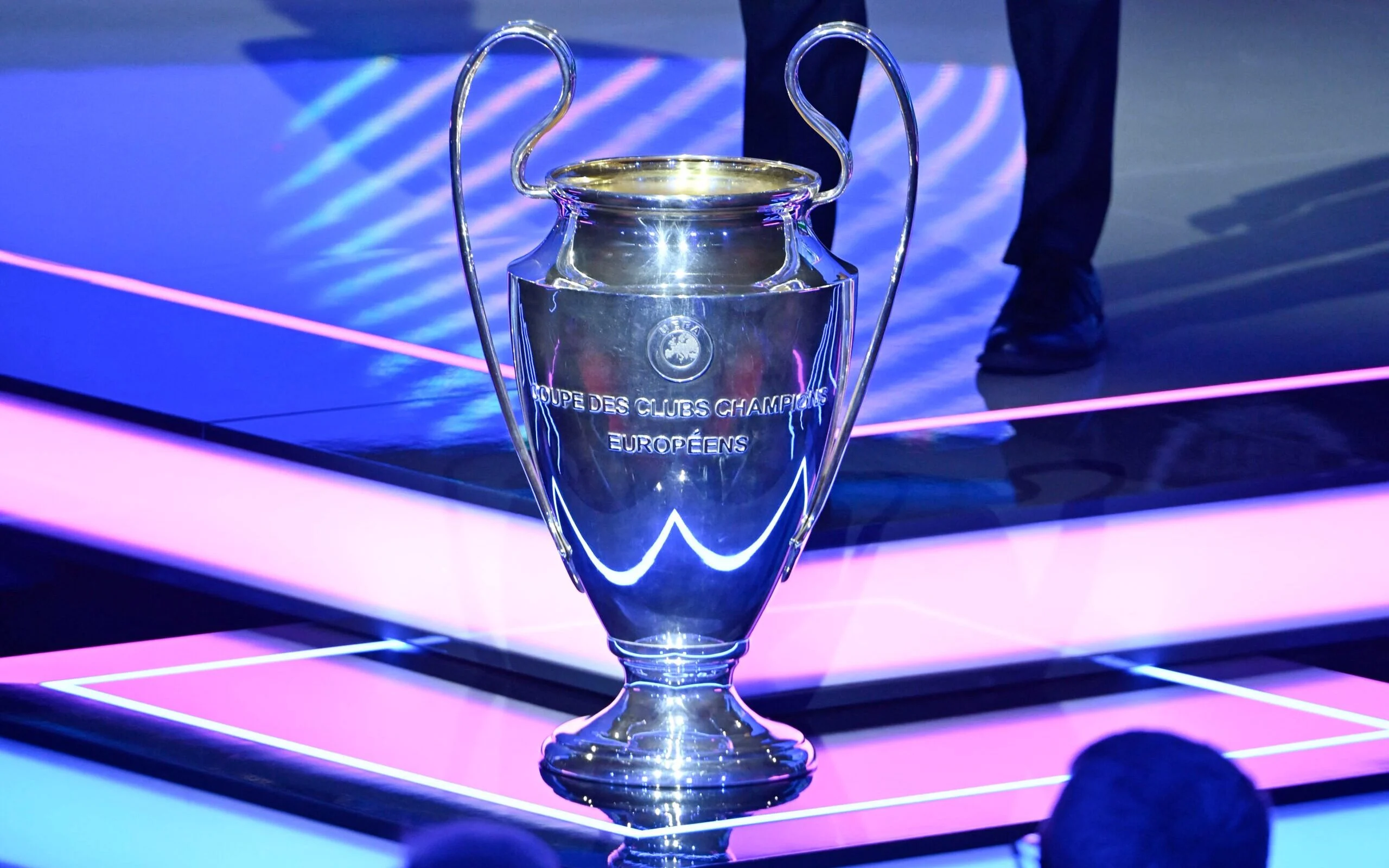
At the top of the table, a few teams really did pull away, and Arsenal were the ones everyone kept coming back to by the end of the league phase. Match after match, they just looked comfortable, which is something that would have sounded strange to say about Arsenal in the Champions League not that long ago. There was no sense of nerves, no frantic moments where things felt like they might fall apart, just a team that seemed to know exactly what it was doing and when to do it. They won all eight games without ever needing to make a big show of it, and that was maybe the most telling part of their run. It never felt like they were chasing results or hanging on for dear life, but rather controlling games, picking their moments, and walking off the pitch with the job done. Finishing first in the table was not just a reward on paper, it was a statement, because it showed that this Arsenal side is no longer trying to survive in Europe. They are comfortable there now, and that changes how opponents will look at them when the knockout rounds begin.
Just behind Arsenal, Bayern Munich once again reminded everyone why they are still one of the safest bets in European football, even in seasons where they are clearly not perfect. Their league phase had moments where things looked shaky, especially away from home, where games felt tight and uncomfortable in a way Bayern fans know all too well, but that familiar ability to slow matches down, manage pressure, and strike at exactly the right moment kept them afloat. They did not dominate every opponent, and they were not immune to mistakes, yet they always seemed to find a way out. For Bayern, finishing in the top eight was never about celebrating overachievement, it was about meeting expectations, because anything less would have felt like a failure for a club that measures itself almost exclusively by its European standards.
Liverpool approached the league phase from a different place altogether. In the middle of a domestic season filled with changes and unanswered questions, the Champions League became a kind of refuge, a competition where they could lean on instinct and memory rather than experimentation. They were not spectacular for long stretches, and there were nights where the football felt heavy rather than electric, but they kept collecting points in a way that spoke to experience rather than brilliance. When games demanded patience, they waited. When chances appeared, they took them. Their place among the top eight did not come with fireworks or late drama, but with a quiet sense of professionalism, a reminder that knowing how to survive in Europe still counts for a lot.
Tottenham Hotspur finishing fourth felt surprising in a very quiet way. Not because they suddenly became something they are not, but because they finally avoided the kind of chaos that has haunted them in Europe for years. There were familiar warning signs early on, moments where games could have slipped out of their hands and old doubts might have crept back in. Spurs fans have seen that story too many times. This time, though, the team stayed composed. When the table settled, their place in the top four felt earned, the result of calm decision making rather than emotional swings.
Barcelona’s route into the top eight was far more stressful, and at times genuinely uncomfortable to watch. There were nights when the back line looked exposed and the mood shifted almost instantly after early goals conceded. You could feel the tension, both on the pitch and around the club. What saved them was their refusal to disappear. Even when the structure was shaky and confidence felt thin, Barcelona kept responding. They fought their way back into matches, sometimes through quality, sometimes through sheer stubbornness. This was not a campaign built on dominance or control. It was built on resilience. By the time qualification was secured, it felt less like a celebration and more like a quiet acknowledgment that this team is still standing, still learning, and slowly finding its way forward.
Chelsea’s run into the top eight felt like it was built on restraint more than ambition. There were plenty of moments where they could have forced the issue, pushed numbers forward, or tried to turn games into something louder than they needed to be, but they rarely did. Instead, they played within themselves. When matches became uncomfortable, Chelsea chose control over risk, even if it meant settling for quieter nights. It was not always pretty, and it was rarely memorable in isolation, but across eight matches it worked. Their qualification came from understanding limits, from knowing when not to chase, and from staying mentally solid when others around them lost focus.
Sporting CP were fun to watch in a very honest way. They played like a team that trusted itself, no matter who was on the other side. Big names, loud stadiums, difficult moments, none of it really changed how they played. Sporting stuck to their ideas and backed each other, even when matches got uncomfortable. Every point they picked up felt deserved because they fought for it. There was no sense of them sneaking through or getting lucky. Finishing in the top eight felt like a reward for belief, for discipline, and for not being afraid of the stage.
Manchester City did not have that same sharp edge they have shown in Europe in recent years, and it was obvious in a few matches. The rhythm dipped, moves broke down, and there were chances they usually finish that just did not go in. What was interesting was how unfazed they seemed by it. There was no sense of panic, no rush to fix everything at once. When things were not clicking, City slowed the game, made small adjustments, and carried on. They stayed patient, avoided mistakes that could spiral, and kept picking up points. By the time the league phase ended, they were in the top eight without any real noise around them, and that quiet efficiency probably says more about them than any dominant performance would have.
For the teams just outside the automatic spots, the mood is very different. Sixteen clubs now face the playoff round, where there is no room for error. One bad night can end everything. This is where the new format becomes unforgiving, especially for clubs used to coasting on reputation.
Real Madrid’s presence in the playoffs stands out immediately. Their league phase had moments of brilliance, but also too many small errors. Those moments added up. Now they face a two legged tie where history offers no protection. For Madrid, this is dangerous territory, even if it feels familiar.
Paris Saint Germain arrive in the playoffs with the same questions they always carry in Europe. Talent was never the problem. Consistency was. Some nights they looked unstoppable, others disjointed. Now they must find balance in a format that punishes instability.
Borussia Dortmund and Atalanta fall into a similar space. Both showed quality and ambition, but not enough control to reach the top eight. The playoffs give them a second chance, and also real pressure.
Once you look below the playoff line, the mood shifts completely. For the teams that finished in the bottom twelve, it is just over. No second chance, no Thursday nights, no slow fade out of Europe. It just ends. Clubs like Ajax, Napoli, Marseille, Villarreal, and PSV are left with that empty feeling that comes when a campaign finishes earlier than expected. A couple of bad nights, a few moments of hesitation, maybe one mistake too many, and suddenly the whole thing is gone. There is time to analyse it later, but right now it is mostly disappointment and a lot of what ifs.
This league phase has made the Champions League feel different. It never really let teams relax. From the first match to the last, everything carried weight. Staying calm mattered. Getting through rough patches mattered. The teams in the top eight bought themselves some breathing room, the playoff teams are still holding their breath, and the rest are already thinking about how to come back next year. That constant tension, week after week, is what now defines this competition.



Leave a Reply