
In the world of elite football, few jobs carry as much pressure, expectation, and intense scrutiny as the position of head coach at Real Madrid. When Xabi Alonso arrived at the Santiago Bernabéu in the summer of 2025, the hopes of fans, executives, and pundits were sky high. After all, he was not only one of the most respected former players in the club’s recent history, but he was also a manager whose early coaching career had been marked by spectacular success. Yet less than eight months after that optimistic beginning, the reality of life at Real Madrid proved unforgiving. On January 12, 2026, the club announced that Alonso’s tenure as first-team coach had come to an end, a decision officially framed as being “by mutual agreement” but widely reported as a dismissal by the club. The announcement brought an intensive period of speculation, analysis, debate, and controversy that remains one of the most talked about coaching departures of the European season.
Alonso’s story at Real Madrid is one of contrast. It began with promise and enthusiastic endorsement and ended in frustration, fractured relationships, inconsistent results, and ultimately a decision that has reverberated through the footballing world. To truly understand how this chapter unfolded, it is essential to explore the arc of his tenure, from when he took over from Carlo Ancelotti in May 2025 through the high points, the challenges, the controversies, and the moment that marked the end of his very short spell as manager.
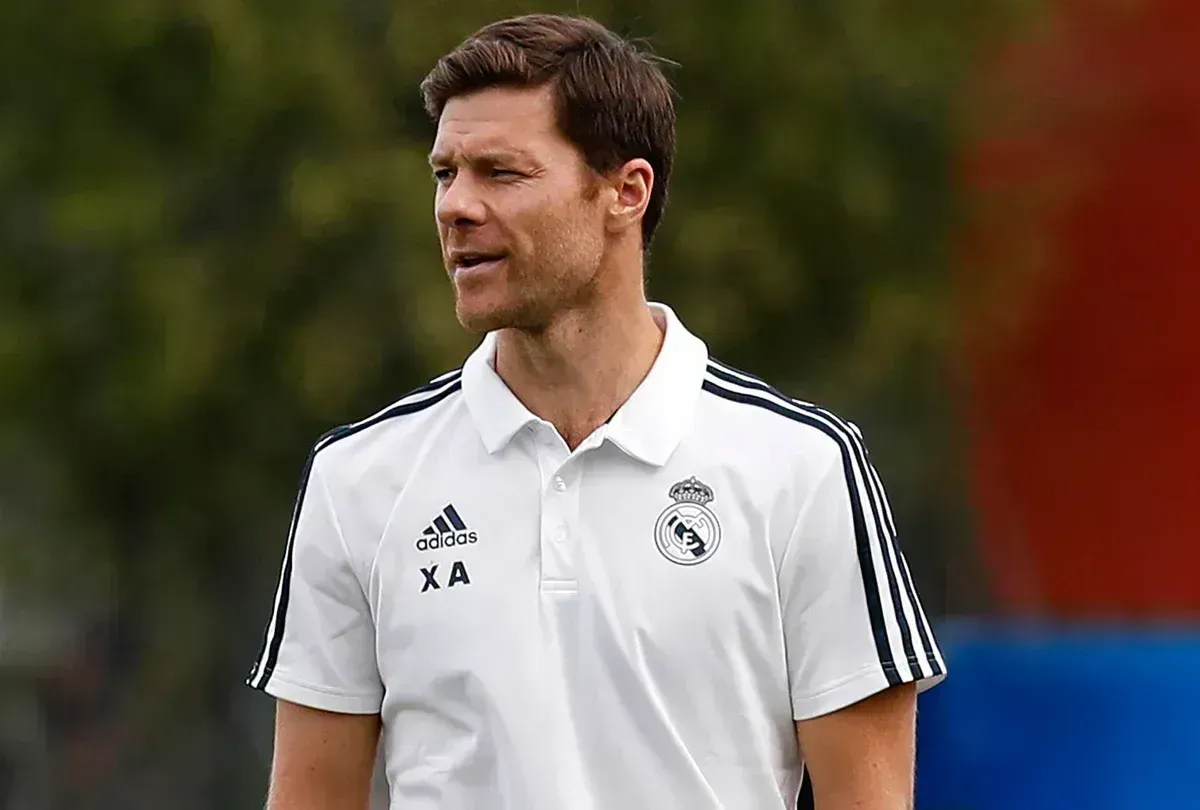
When Real Madrid announced on May 25, 2025 that Xabi Alonso would be the club’s new head coach, the reaction was overwhelmingly positive in many quarters. Alonso’s credentials had been burnished by his remarkable success with Bayer Leverkusen in Germany, where he transformed a struggling team into Bundesliga champions and delivered a historic league and cup double. His tactical acumen, modern approach to possession and pressing, and the admiration he commanded from players and analysts alike made him an exciting choice for one of football’s most prestigious managerial positions. Many believed that he could usher in a new era at Real Madrid, one built on smart tactical play and a clearer identity.
From the outset, Alonso made clear that his emotional connection to Real Madrid ran deep. In his introductory press conference, he spoke passionately about the club being his home, about the responsibility he felt stepping into a role previously held by Carlo Ancelotti, and about his belief that the team could achieve great things under his leadership. Those words resonated with supporters who remembered his time as a player, his intelligence on the pitch, and his deep understanding of the game.
Alonso’s first games in charge were characterized by a confident, energetic style that showed some signs of the tactical identity he hoped to instill. In the FIFA Club World Cup held in the United States soon after he took charge, Real Madrid drew 1-1 with Al-Hilal and then secured a 3-1 victory over Pachuca, showing offensive intent and a willingness to adapt to different game situations.
When the domestic season began, the team initially responded well. Real Madrid claimed the La Liga Manager of the Month award in August 2025 after a perfect start to the league campaign, and victories over strong rivals — including a 2-1 win over Barcelona that put them at the top of the table — seemed to affirm that Alonso’s methods could work at the highest level.
Behind the scenes, Alonso introduced innovations and training techniques that reflected his broader football philosophy. According to reports from Brazilian and Spanish outlets, his training sessions incorporated new technologies, including the use of drones to analyze movement and positioning, a modern approach that set him apart from his predecessors.
Despite the encouraging early results, cracks began to form as the months progressed. Real Madrid’s performances became inconsistent. Defeats in key matches, including a Champions League loss to Liverpool, exposed tactical fragilities. Points that had once been routinely secured began slipping away, and the sense that the team lacked a cohesive identity grew.
More troubling still were reports of tensions behind the scenes, particularly involving relationships with key players. Central to the growing narrative was Real Madrid’s star forward Vinícius Júnior. According to sources close to the club, Alonso’s handling of Vinícius — including decisions to experiment with his position on the pitch and even considerations to leave him out of certain lineups — created friction that spread throughout the dressing room.
One moment that would later be highlighted as symbolic of deeper divisions came in the wake of the 2026 Spanish Super Cup final against Barcelona. The match, played in Jeddah, ended in a 3-2 defeat for Real Madrid. In the immediate aftermath, footage circulated showing Alonso motioning to create a guard of honor for the Barcelona players, an act that became controversial when some Madrid players, including Kylian Mbappé, appeared to resist the gesture. Mbappé later posted a public farewell message to Alonso, thanking him for his confidence and leadership, but the incident only fueled speculation about a lack of unity and authority within the squad.
Accounts from insiders and passionate fans on social media painted a picture of a manager increasingly isolated within the squad. Some reports described players disregarding tactical instructions, training routines that lost their intensity, and a growing sense that Alonso had lost authority over a group of highly paid, highly influential stars. One dramatic story circulating on fan forums claimed that several players publicly ignored Alonso’s instructions, undermining his ability to enforce discipline. Others suggested that some within the squad actively resisted his methods, contributing to a fractured locker room environment.
Critics outside the club also weighed in. Former players and pundits noted that managing egos and handling personalities is a unique challenge at Real Madrid, where the weight of history and the status of individual stars can dwarf tactical considerations. In one such analysis, former professional Gareth Bale argued that Alonso’s ideas and tactical fixation might have worked at other clubs but struggled to take hold in a dressing room where managing personalities often takes precedence over strategic innovation.
As the season progressed into late 2025, the faltering results intensified the pressure on Alonso. After a promising start that saw Real Madrid unbeaten for large stretches, the team began dropping critical points in La Liga and looked less convincing in their Champions League fixtures. Internal sources described Alonso’s demeanor at training becoming more solemn, a sign of the mounting frustration that seemed to grip the camp.
While Real Madrid had enjoyed moments of success under his leadership, including that early El Clásico victory, the inconsistency took its toll. By the time the Super Cup final arrived in January 2026, the sense among some in the club hierarchy was that results had plateaued and that the clarity of vision required for long-term success was missing. Reports suggested that board members and club executives were increasingly unconvinced that Alonso could steer the club back into consistent title contention.
The defeat to Barcelona in the Supercopa de España final might have been the final straw in many people’s minds, but what followed was swift and startling. Less than 24 hours after the match, Real Madrid issued a statement announcing that Alonso’s time as first-team coach had come to an end, framing the departure as a mutual agreement. The official communication expressed gratitude to Alonso and his staff for their work and dedication, emphasising that the club would always be his home.
In reality, most reports indicated that the decision was a dismissal rather than a negotiated departure. Sources close to Alonso stated that he had intended to continue in the role and that the choice to part ways was taken quickly by the club’s leadership, leaving little room for negotiation. Discussions about contract terms revealed that Alonso would only be paid for one year of the initially agreed three-year deal, an indication of how sharply things had changed since his appointment.
Almost immediately, Real Madrid announced that Álvaro Arbeloa, a former Real Madrid player and coach of Real Madrid Castilla, would take over the first-team responsibilities. Arbeloa’s promotion represented an intriguing twist, signaling a return to a manager steeped in the club’s culture and history, albeit one without the senior top-flight coaching experience that Alonso brought.
Alonso himself took to social media after the announcement to reflect on his time at the club. He acknowledged that the chapter had not ended as he would have liked, but expressed pride in having given everything in his role and deep gratitude to the fans, the players, and the club for the opportunity. His tone was measured, respectful, and indicative of a professional who understood the volatile nature of elite football.
Across the football world, reactions were mixed. Supporters of Real Madrid who valued trophies and immediate success applauded the club’s decisiveness. Others, including well-known figures in the sport, criticised the decision as hasty and symptomatic of the modern impatience that prevails at many elite clubs. Some pundits pointed out that Alonso’s win-loss record did not tell the full story of the underlying issues that ultimately shaped his departure.
What Comes Next for Alonso and Real Madrid
As the dust settles on Xabi Alonso’s dismissal, both he and Real Madrid face pivotal decisions about the future. For Alonso, the abrupt end to his tenure at one of the world’s biggest clubs may well be a moment of learning as much as frustration. Many within the football community believe that his tactical intelligence and coaching acumen will ensure he remains a sought-after figure in management, perhaps with a club environment better suited to his philosophy.
Real Madrid, meanwhile, have chosen a familiar face in Álvaro Arbeloa to steady the ship. The club’s leadership and fans will be watching closely to see whether a shift in approach can reignite their season and stabilize the dressing room dynamics. Whether Arbeloa can bring the blend of tactical clarity and player unity that Alonso ultimately struggled to establish remains an open question.
In the unforgiving landscape of elite football, the story of Xabi Alonso at Real Madrid will be remembered as one of immense promise, intense challenge, and a sudden conclusion that encapsulates the pressures of managing at the highest level. His brief but eventful tenure was marked by tactical ambition, moments of brilliance, internal strife, and a finale that sparked debate across the global game. In the end, it was a reminder that even the brightest careers must sometimes navigate the harshest of realities when the stakes are at their highest.



Leave a Reply