

More than twenty years after Michael Jackson walked out of a California courtroom acquitted on every criminal charge brought against him, the debate surrounding his life, his behavior, and his relationships with children continues to generate headlines around the world. Now Netflix has brought that debate back into the spotlight with Michael Jackson: The Verdict, a three part documentary series that revisits the 2005 criminal trial that became one of the most closely watched legal battles in entertainment history.
Released on June 3, 2026, the documentary arrives at a moment when public interest in Michael Jackson has reached a new peak. Earlier this year the biographical film Michael became a major global success, introducing a new generation to Jackson's story while also reigniting conversations about the allegations that followed him throughout his life. While the movie focused primarily on his rise to fame and extraordinary musical achievements, Michael Jackson: The Verdict takes viewers in a very different direction. Rather than celebrating the King of Pop's career, the documentary focuses almost entirely on the criminal case that threatened to destroy his reputation.
The result is a series that has immediately sparked intense discussion among fans, critics, journalists, and people who have followed the case for decades. Some viewers believe it presents an important examination of a trial that still raises difficult questions. Others argue that it covers information that has already been debated endlessly over the last twenty years. Regardless of where people stand, the documentary has once again pushed one of the most controversial stories in modern entertainment back into the center of public conversation.
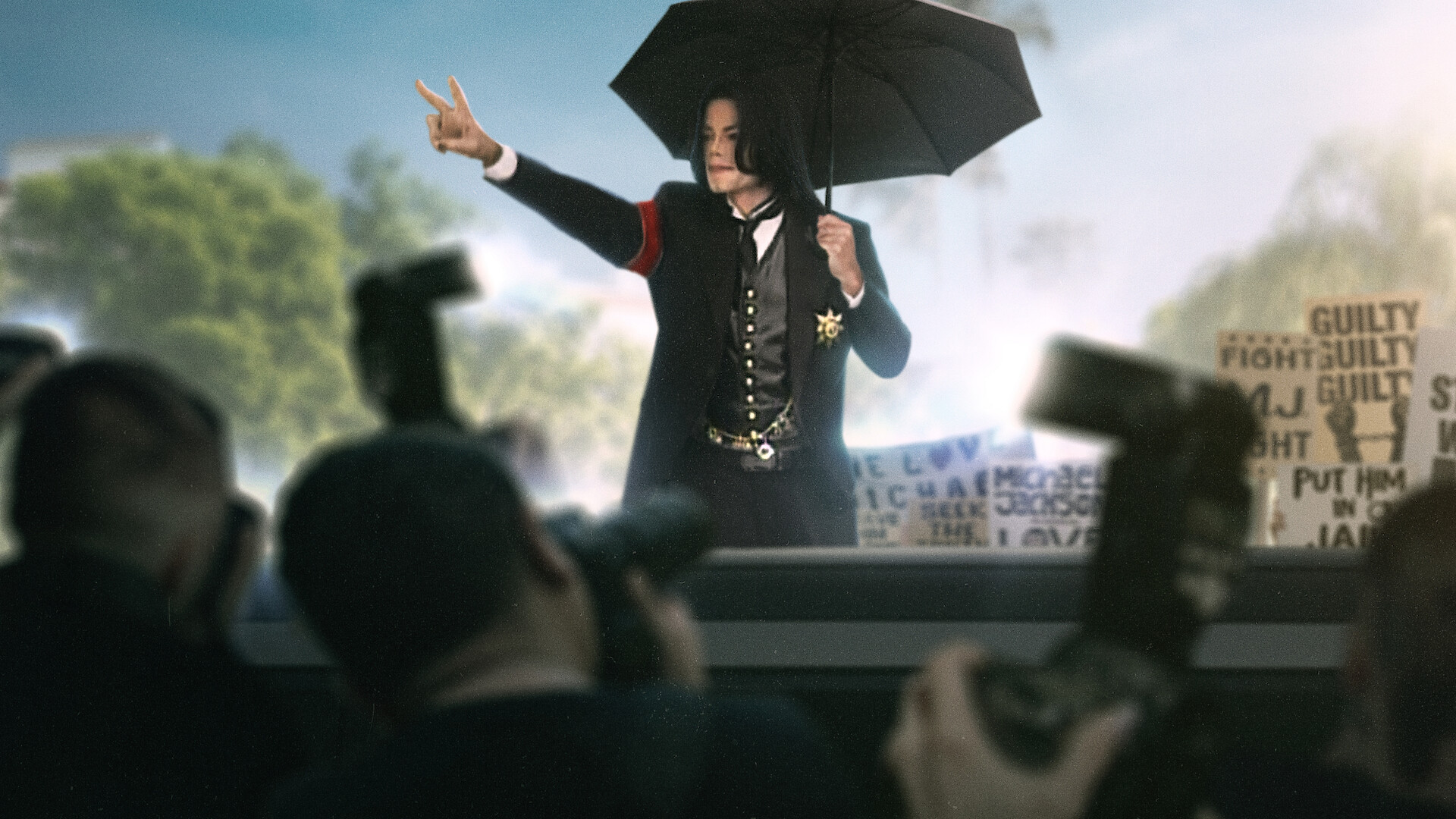
The series examines the events that led to Jackson's arrest in 2003 and the criminal trial that followed in 2005. Because cameras were not allowed inside the courtroom, the filmmakers rely heavily on archival footage, media coverage from the time, court documents, and interviews with people who were directly involved in the case.
The documentary features prosecutors, defense attorneys, journalists, jurors, former employees, friends of the accusers, and people who worked closely with Jackson. Through these interviews, viewers are taken back to a period when every development in the case generated worldwide headlines and television networks provided daily updates from outside the Santa Barbara County courthouse.
Unlike many previous documentaries that focused broadly on Jackson's life, this series narrows its attention to a specific legal case. The central figure in the allegations is Gavin Arvizo, a young cancer survivor who accused Jackson of molesting him at Neverland Ranch. Prosecutors claimed Jackson had abused the teenager and attempted to manipulate his family. Jackson denied all accusations and maintained his innocence throughout the investigation and trial.
The series explores both sides of the case and attempts to reconstruct what happened using testimony, evidence, and the recollections of those who witnessed the events unfold firsthand.
The timing of the documentary has become one of the biggest talking points surrounding its release.
For years, Michael Jackson's legacy has existed in a state of constant debate. His music remains among the most influential and commercially successful in history, yet allegations of child sexual abuse have continued to cast a shadow over his reputation. Every few years a new documentary, interview, lawsuit, or media project reignites public discussion.
In 2026 that conversation returned with unusual intensity because of the success of the Michael biopic. The film generated enormous box office numbers and introduced Jackson's story to younger audiences who may not have been familiar with the controversies that surrounded him.
Many observers believe Netflix saw an opportunity to revisit the criminal case while interest in Jackson was once again at a high point. Several critics have noted that the documentary feels connected to the renewed attention generated by the film. Whether intentional or not, the release strategy ensured that millions of viewers would be discussing Jackson's life, career, and legal battles at the same time.
Although many reviewers have argued that the documentary does not reveal major new evidence, several moments have generated significant attention.
One of the most discussed interviews comes from Vincent Amen, a former associate of Jackson who provides allegations regarding behavior he claims to have witnessed. His comments have been widely reported since the documentary's release and have become one of the primary reasons the series has attracted media coverage.
The documentary also includes discussion about Jackson's use of prescription medication and the physical and emotional toll that the criminal investigation allegedly took on him. Participants describe a man who was under enormous pressure and struggling to cope with the intense scrutiny surrounding the case.
Additional interviews explore unusual moments from inside the courtroom, the atmosphere among jurors, and the extraordinary security concerns that surrounded the trial. Viewers are given a glimpse into what daily life looked like during one of the most famous celebrity legal proceedings ever conducted.
Some of the claims presented in the documentary remain disputed. Others have been discussed previously in books, television programs, and court records. The series does not present definitive answers to every question. Instead, it offers a collection of perspectives from people who experienced the events from different angles.
No examination of the 2005 case would be complete without discussing the television documentary that helped trigger the chain of events leading to the criminal charges.
In 2003 British journalist Martin Bashir released Living with Michael Jackson, a television special that offered unprecedented access to the pop star's private life. The documentary attracted enormous attention around the world.
One particular moment became especially controversial. During the interview, Jackson discussed sharing his bedroom with children and described the arrangement in terms that many viewers found deeply troubling. The broadcast generated immediate backlash and intensified concerns about his behavior.
Prosecutors later used portions of the documentary as part of their investigation.
Michael Jackson: The Verdict spends considerable time examining Bashir's role in shaping public opinion and influencing the events that followed. Supporters of Jackson continue to argue that the documentary presented a distorted image of him, while critics maintain that the footage raised legitimate questions that deserved investigation.
One of the documentary's more interesting elements involves interviews with jurors who participated in the trial.
Because cameras were prohibited inside the courtroom, firsthand accounts from jurors provide some of the most valuable insights available. They discuss how evidence was presented, how testimony was evaluated, and how deliberations unfolded behind closed doors.
The jurors explain the enormous responsibility they faced. The case involved one of the most recognizable celebrities in history, relentless media attention, and allegations that carried profound emotional weight.
Their comments help viewers understand why the jury ultimately reached a not guilty verdict despite the intensity of the accusations and the public pressure surrounding the case.
Some reviewers praise the documentary for assembling numerous key figures from the trial and presenting a relatively comprehensive overview of the case. They argue that younger audiences who were not alive or old enough to follow the trial in real time may find the series informative.
Other critics have been far less enthusiastic. Several reviews have argued that the documentary offers little information that has not already been available for years. Some believe the series feels more like a summary of existing coverage than a project that uncovers significant new evidence.
Perhaps the most significant takeaway from Michael Jackson: The Verdict is not any individual revelation or interview. Instead, it is the reminder that Michael Jackson's legacy remains one of the most complex in modern cultural history.
Few artists have influenced music as profoundly as he did. Albums such as Thriller, Bad, and Dangerous transformed popular culture. His music videos changed the entertainment industry. His performances set standards that artists continue to follow today.
At the same time, allegations involving children have become inseparable from discussions about his life.
For some people, his artistic achievements and personal controversies exist as separate conversations. For others, they are impossible to separate. The documentary does not resolve that conflict. In many ways, it demonstrates why the debate has persisted for so long. The available evidence, testimony, media coverage, and personal opinions continue to be interpreted differently depending on who is examining them.

0 Comments